
DLTM La Spezia and the Future of Smart Ports
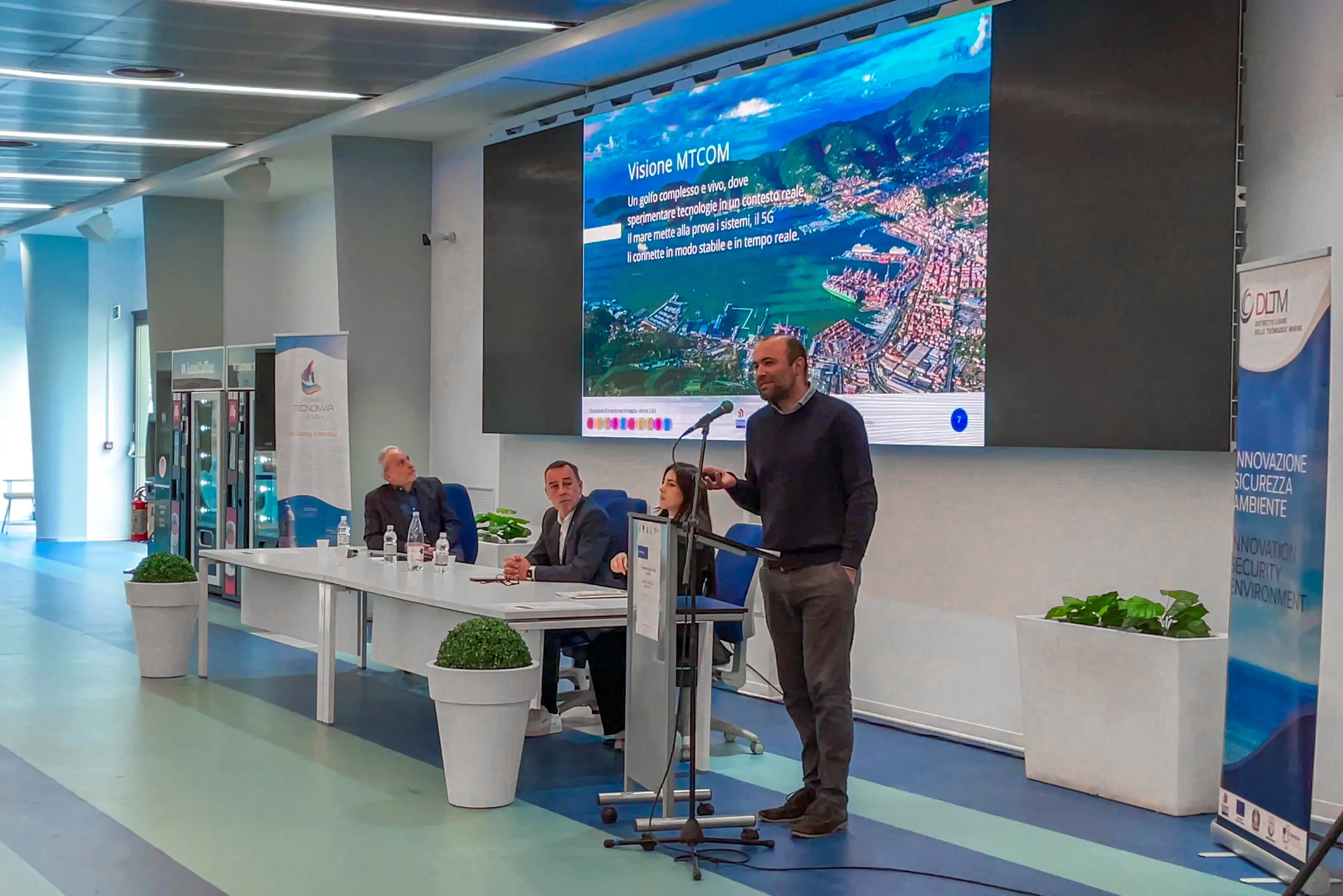
La Spezia is increasingly positioning itself as a strategic hub for marine and maritime innovation, thanks to the work of DLTM – Distretto Ligure delle Tecnologie Marine. This role was clearly highlighted during the event “I Progetti Europa ’27 per la Liguria – Polo DLTM”, an initiative promoted by Regione Liguria and DLTM to showcase European-funded research and development projects shaping the region’s technological future.
The event brought together public institutions, research bodies, and technology companies to discuss how EU programs can accelerate innovation in key sectors such as maritime safety, port operations, digital infrastructure, and advanced communications. In this context, DLTM confirmed its function as a catalyst for collaboration between industry and research, with a strong focus on applied technologies and real-world use cases.
DLTM: a strategic cluster for marine and digital technologies
DLTM is one of Italy’s relevant technological clusters dedicated to marine technologies, bringing together companies, universities, research centers, and public entities. Its mission is to support research, innovation, and technology transfer in strategic domains such as naval engineering, underwater systems, logistics, security, and digital infrastructures.
By fostering collaboration across different stakeholders, DLTM enables the development of complex, multidisciplinary projects (often supported by European funding) that address both industrial needs and societal challenges. Events like Europa ’27 per la Liguria play a key role in aligning regional strategies with broader EU priorities, including digital transformation, sustainability, and resilience of critical infrastructure.
MTCOM: 5G-enabled security for port environments
As part of the DLTM event, MTCOM was introduced as a research project focused on port safety and maritime security. Presented by SMA-RTY, the project is developed in collaboration with EdgeLab S.p.A., Infocom srl, Sitep Italia S.p.a., and the University of Genoa.
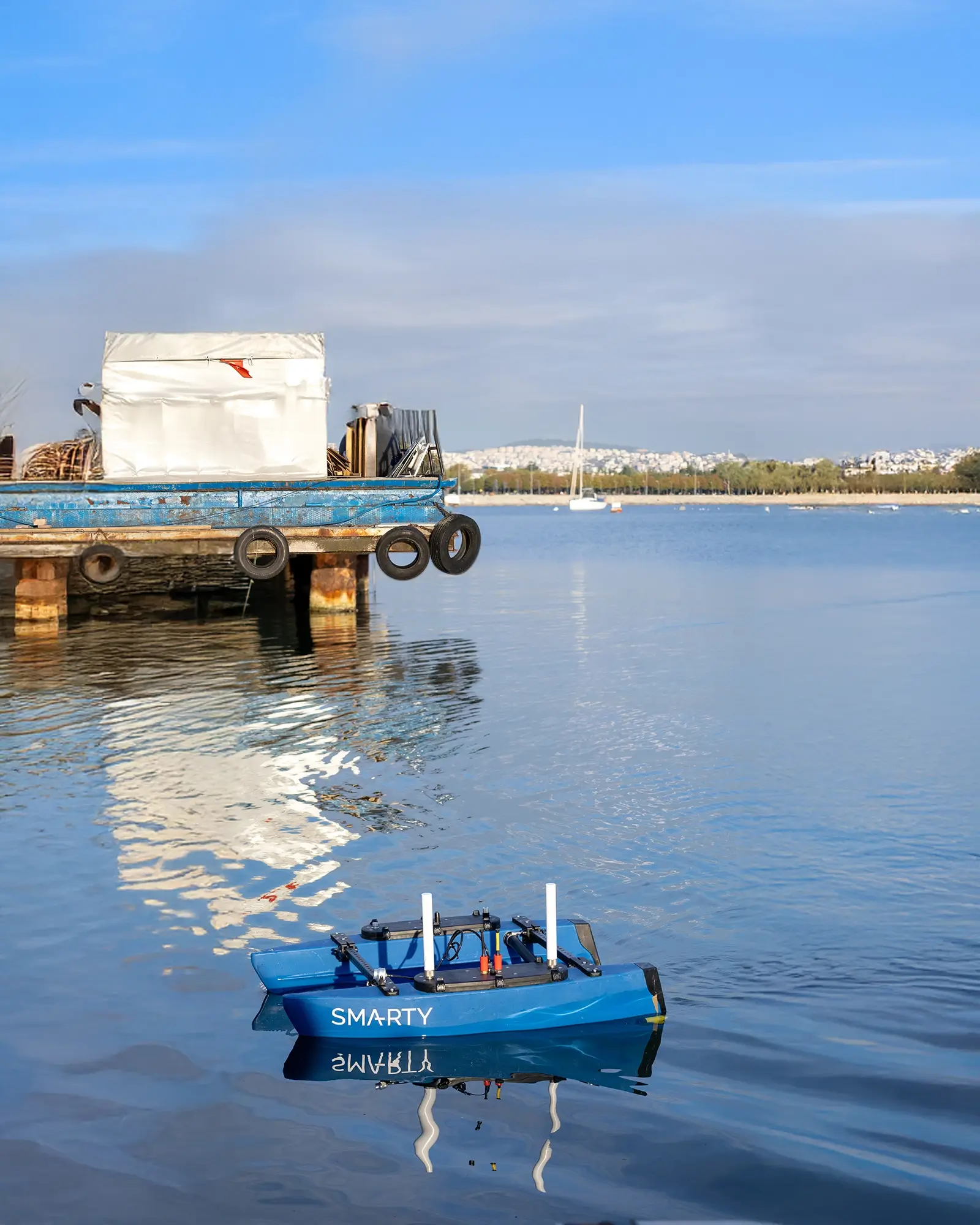
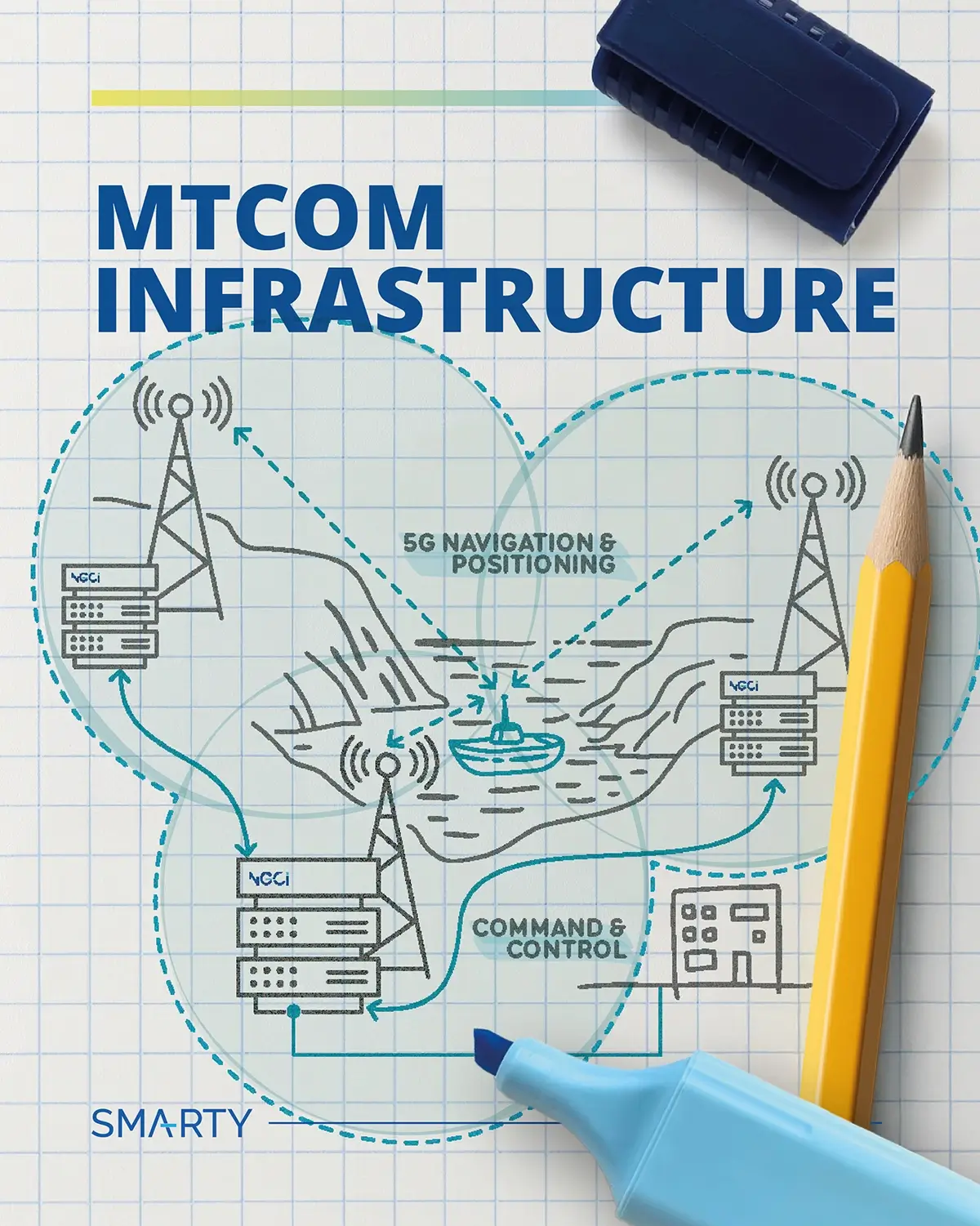
MTCOM combines 5G connectivity, edge computing, and autonomous maritime surface drones (USVs) to enable real-time monitoring of port areas and underwater critical infrastructure. The objective is to enhance situational awareness, improve response times, and support safer and more sustainable port operations through advanced digital technologies.
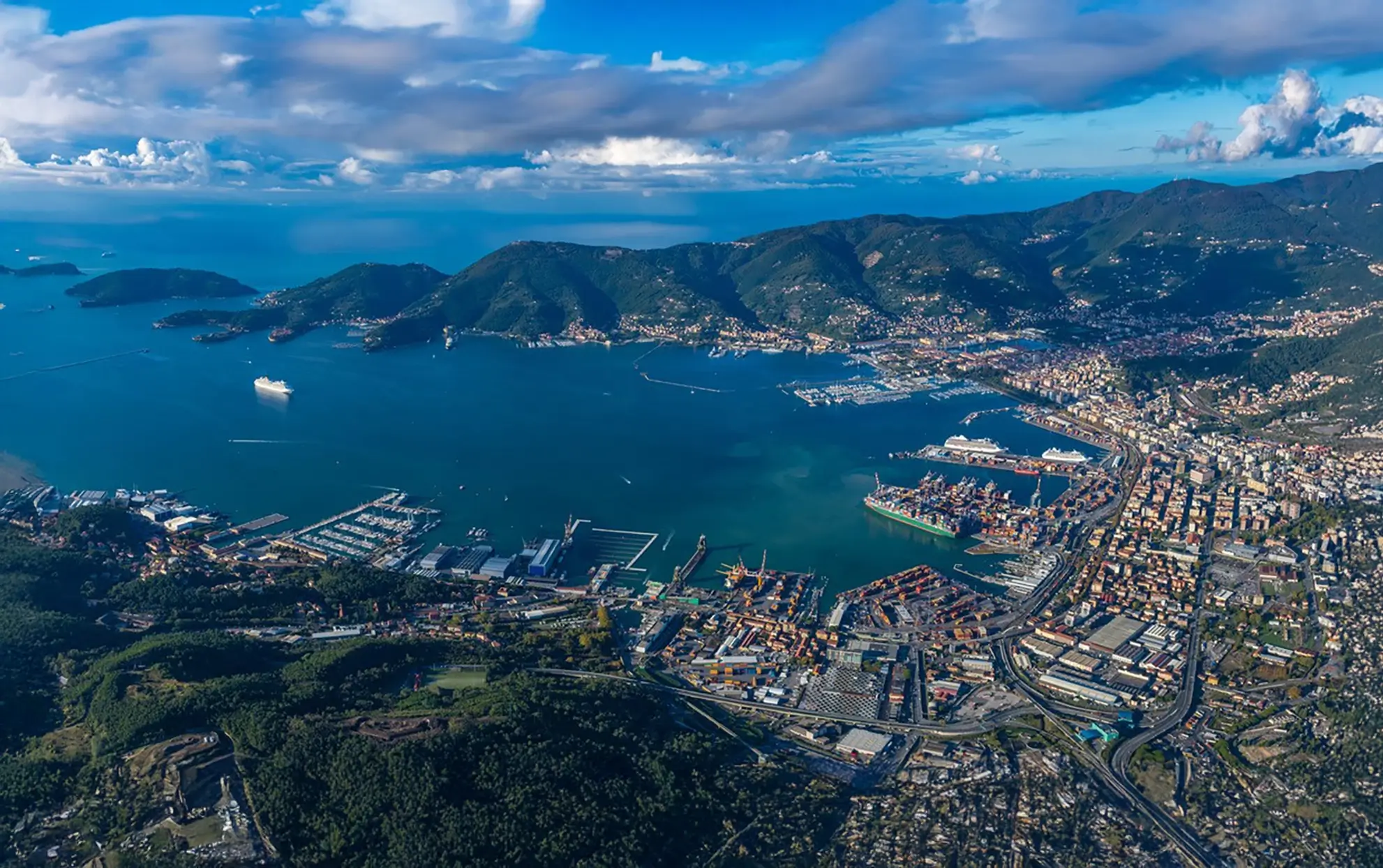
The Gulf of La Spezia has been selected as the test environment for the project. With its intense maritime traffic, industrial activities, and port operations, the area represents a highly complex and realistic setting for validating next-generation solutions for smart ports. Testing in such conditions allows researchers and technology providers to assess system reliability, latency, and scalability in real operational scenarios.
From research to real-world impact
One of the key messages emerging from the DLTM event is the importance of research-driven innovation that directly addresses operational challenges. Projects like MTCOM demonstrate how telecom technologies, traditionally associated with terrestrial networks, can be effectively extended to maritime and port environments, opening new opportunities for 5G-enabled services, autonomous systems, and data-driven decision-making.
For ICT companies, system integrators, and telecom operators, initiatives developed within the DLTM ecosystem offer valuable insights into how 5G, edge computing, and automation can converge to support critical infrastructure. These solutions are not limited to local experimentation but are designed with scalability in mind, paving the way for replication across other European ports and coastal areas.
A growing innovation ecosystem in Liguria
Through DLTM and regional initiatives like I Progetti Europa ’27 per la Liguria, Liguria is reinforcing its position as a living laboratory for marine and digital innovation. The combination of strong industrial presence, academic excellence, and access to European funding creates favorable conditions for developing advanced technologies with tangible economic and societal impact.
As digitalization continues to reshape the maritime domain, clusters such as DLTM play a crucial role in turning research into deployable solutions—bridging the gap between policy objectives, technological development, and operational needs. La Spezia, once again, confirms itself as a key reference point for the future of smart ports and marine technologies.