
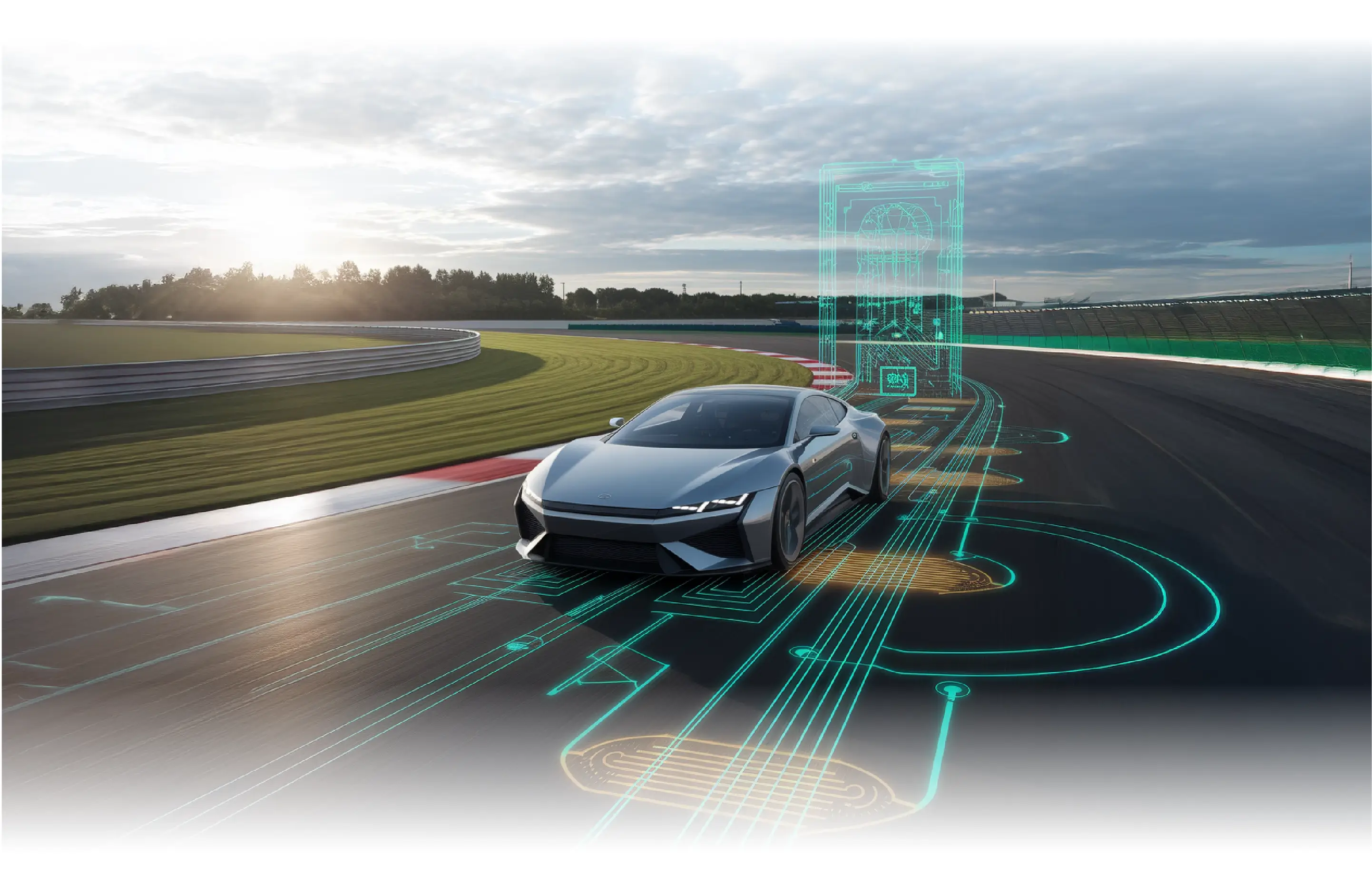
High-speed mobility challenges connectivity. MARPA is the answer.
mmWave, multimodal tracking & AI positioning for NextG
What is MARPA?
It stands for Multimodal Radio Positioning and tracking for Advanced NextG use cases and explores reliable connectivity in high-mobility scenarios. The project focuses on real-time tracking and communication for moving devices to enhance performance in dynamic environments.
Sponsored by MOST competence center under NextGenerationEU
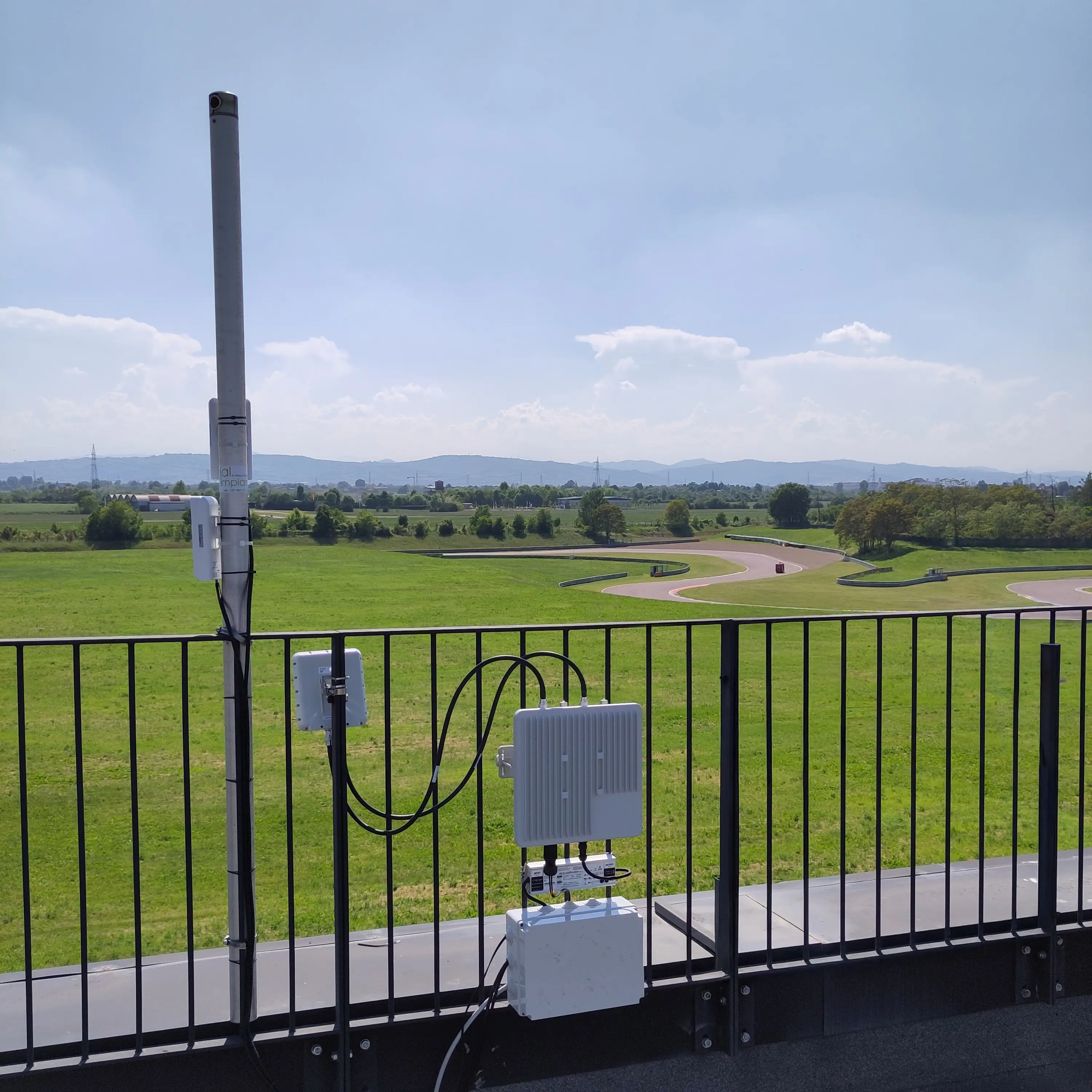
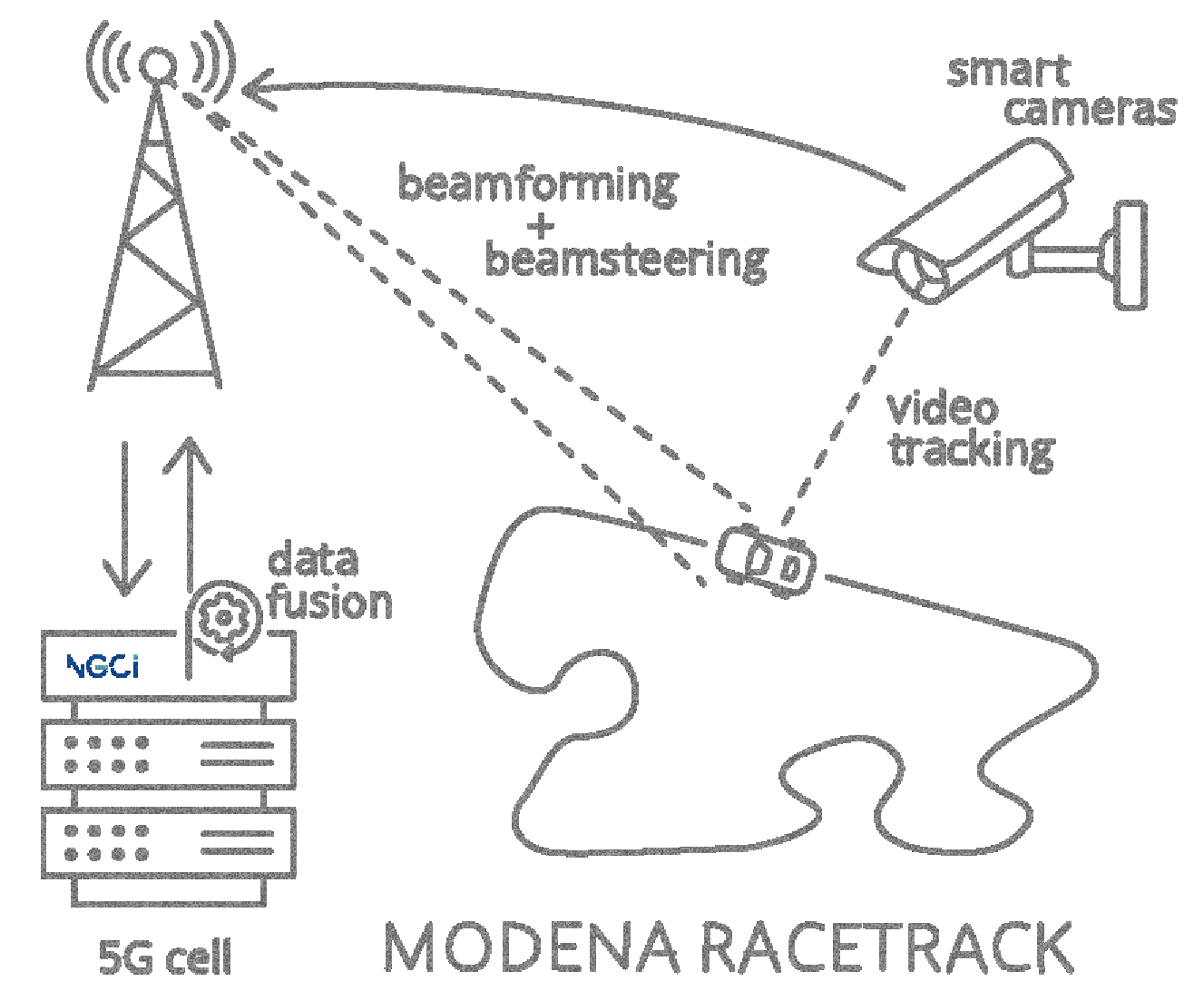
Seamless tracking in motion
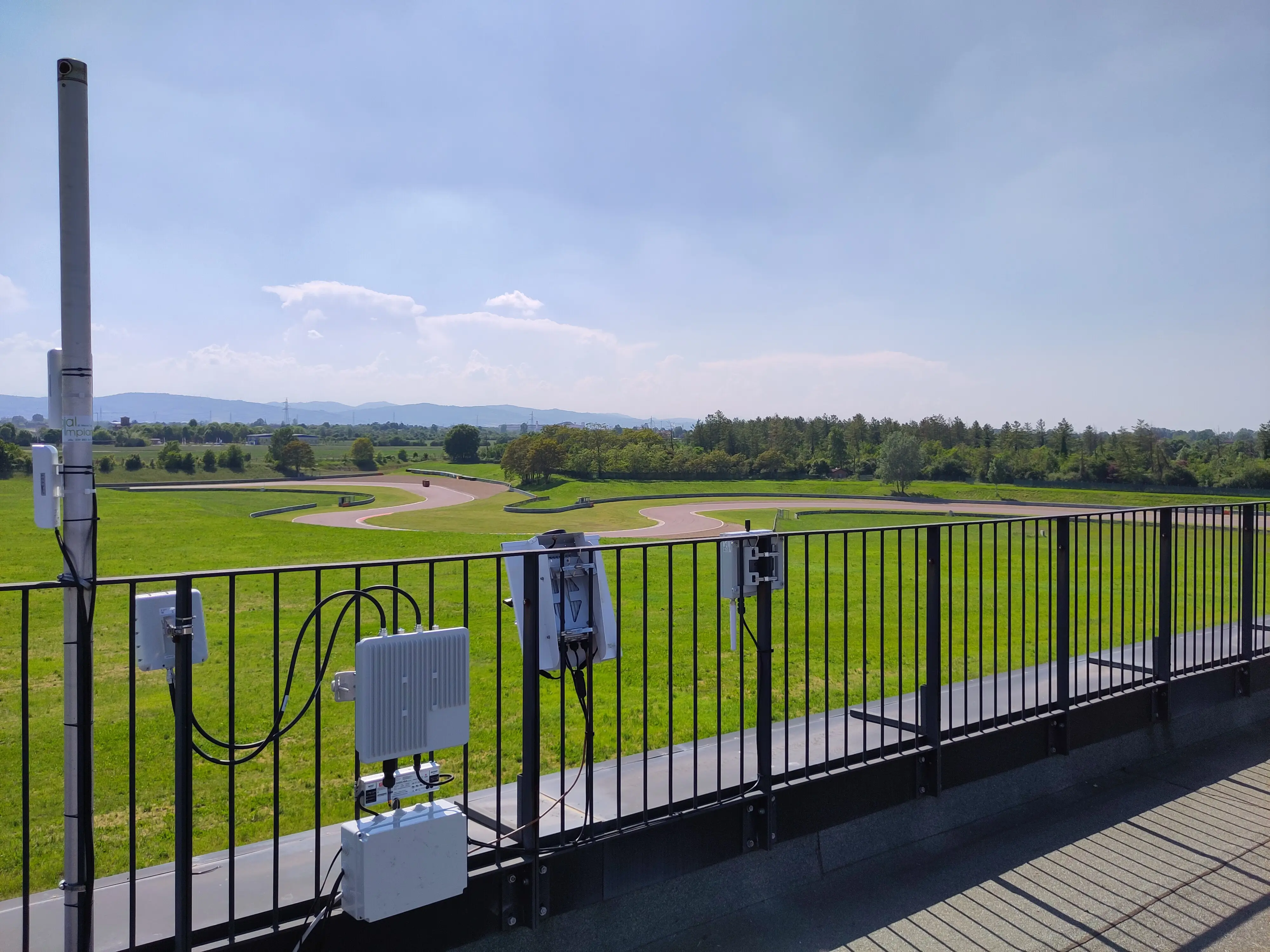
The MARPA setup combines one smart camera, a mmWave antenna, and an NGCI 5G cell. The camera captures the vehicle’s position, the antenna maintains a precise connection using beamforming and beamsteering, and the NGCI cell integrates these inputs through data fusion to track the vehicle in real time and ensure a stable connection.
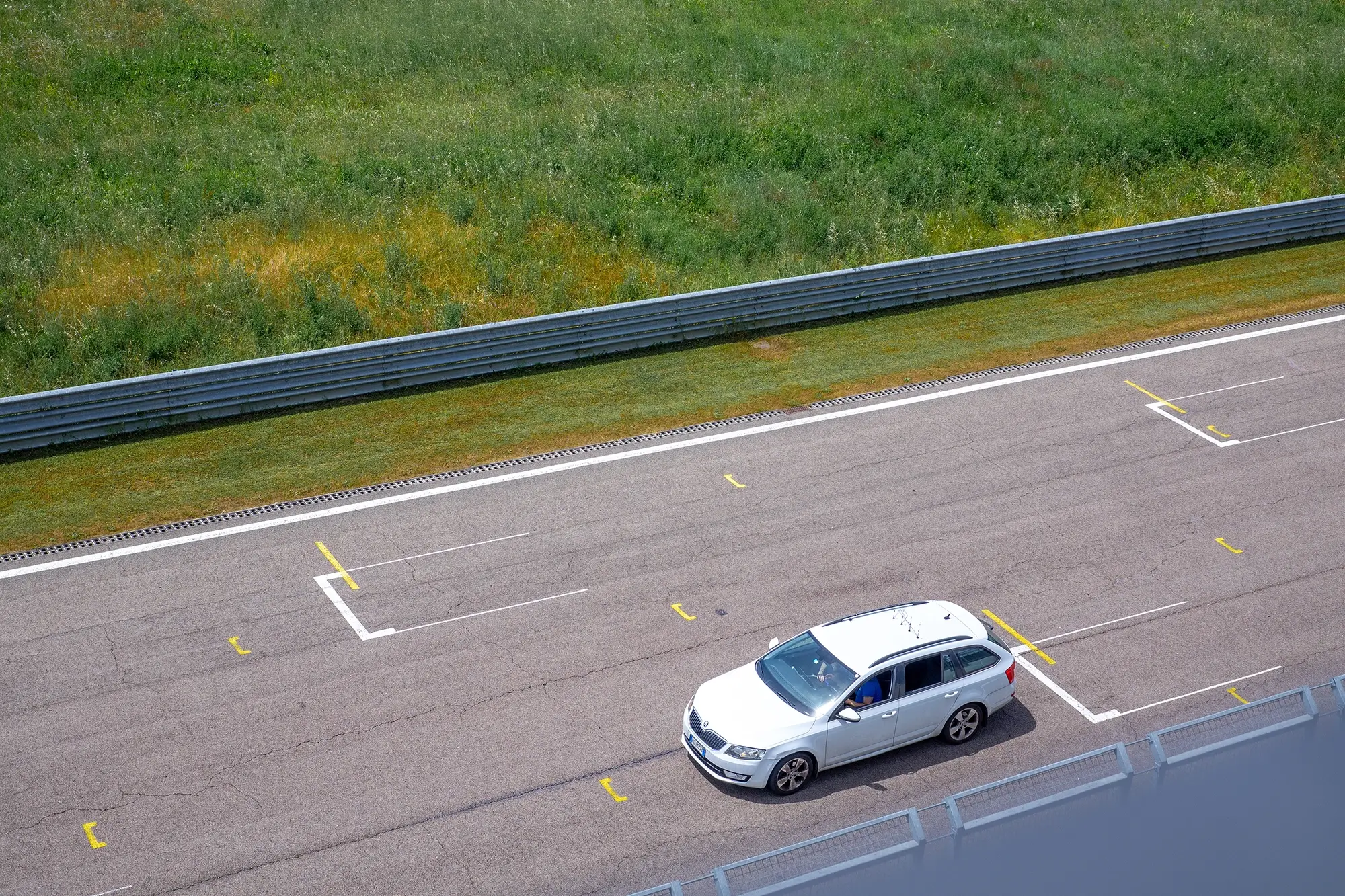
Private 5G network coverage tests
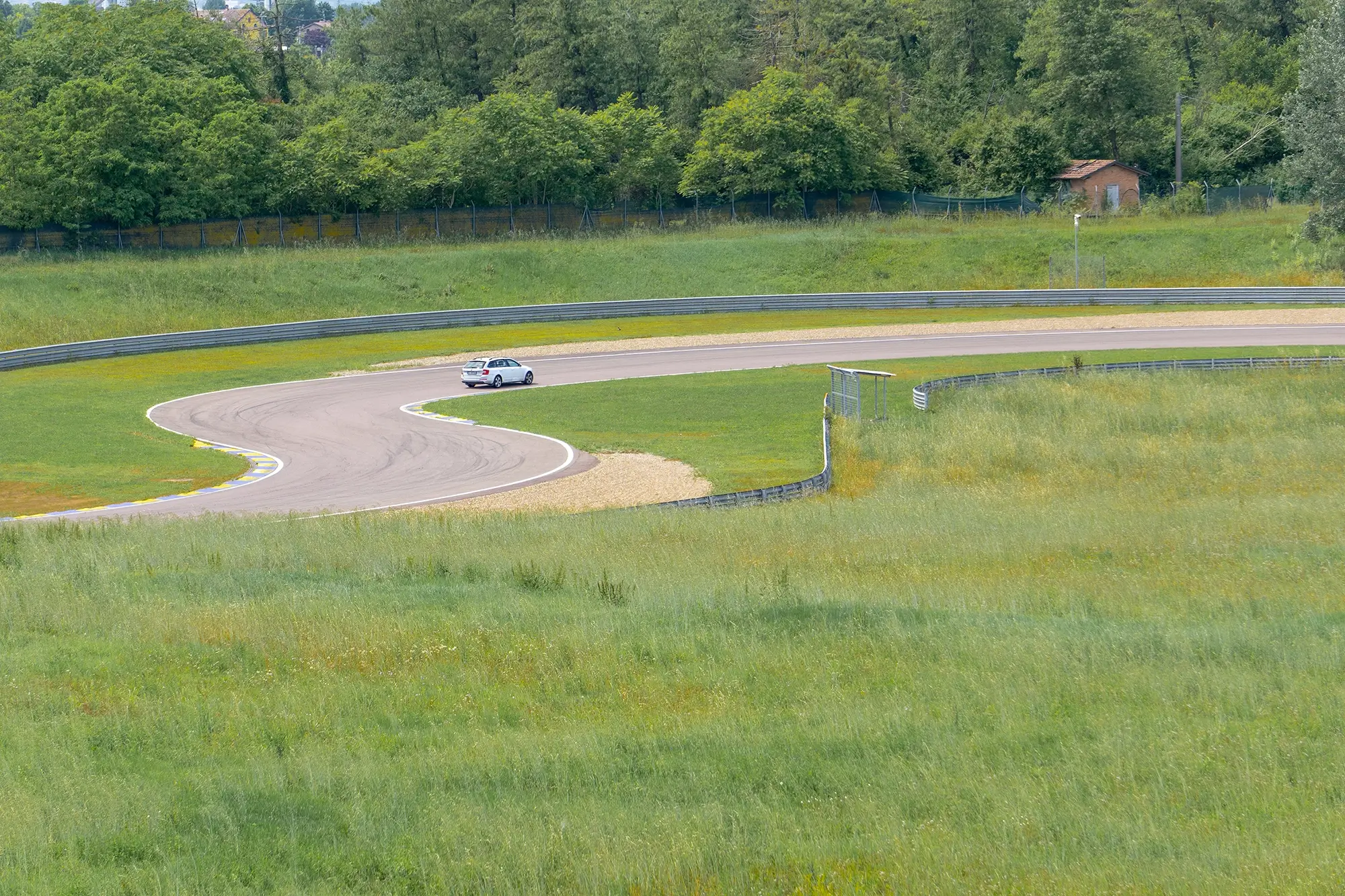
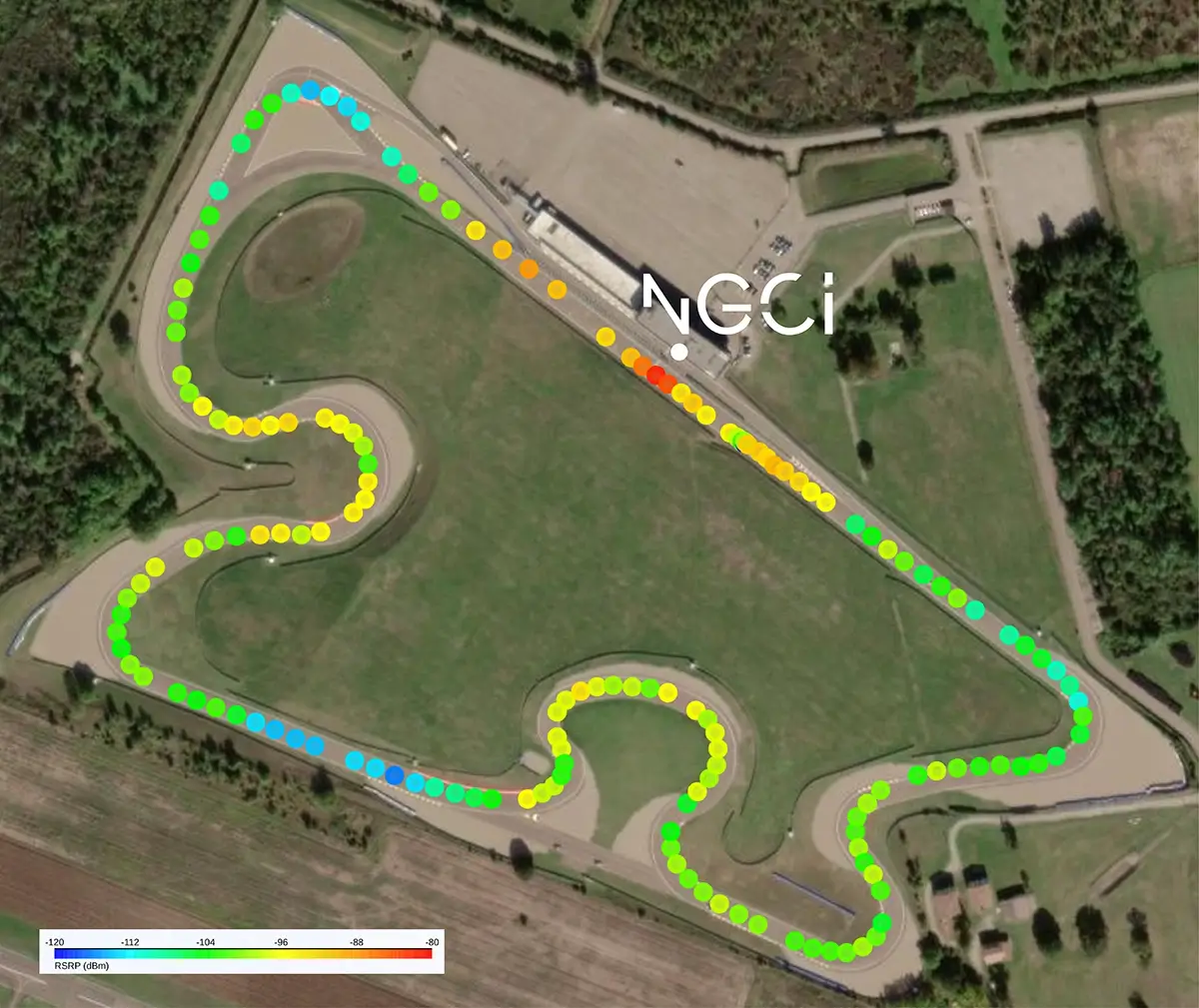
To evaluate the coverage of the NGCI 5G cell at the Modena racetrack, a receiver antenna was mounted on a car, which drove around the circuit at moderate speed. The results were promising: continuous connection throughout the circuit, with only one minor low-signal zone behind a hill. These results help fine-tune the system ahead of the MARPA project.

What we expect
self-sustaining framework
A system capable of gathering and sharing data even without full V2X coverage, ensuring continuous operation.
enhanced network
Improved connectivity that maintains stable, reliable communication in high-mobility and complex environments.
multimodal data fusion
Combining camera and radio data to accurately track moving devices and optimize real-time network performance.



Partners


Contributors

NextGenerationEU is boosting Europe’s economy and making our societies stronger and more resilient, delivering tangible results for Europeans through its many projects.